
The End of Slavery Was the 13th Amendment, Not Juneteenth
By Dr. Eric M. Wallace
Each year on June 19, Americans celebrate Juneteenth as the day slavery ended in the United States. While I understand the historical significance of Juneteenth, I do not celebrate it as the end of slavery. In my view, that distinction belongs to the ratification of the 13th Amendment on December 6, 1865.
Juneteenth commemorates an important moment in American history. On June 19, 1865, Union General Gordon Granger arrived in Galveston, Texas, and announced General Order No. 3, informing enslaved people that they were free under the terms of President Abraham Lincoln's Emancipation Proclamation. For thousands of enslaved Texans, it was a day of liberation and rejoicing.
However, it is important to understand what Juneteenth was—and what it was not.
The Emancipation Proclamation, issued on January 1, 1863, did not abolish slavery throughout the United States. It applied only to states in rebellion against the Union. Slavery remained legal in several border states that stayed in the Union. Furthermore, the proclamation depended upon Union military victory for its enforcement. In many places, enslaved people were not freed until Union troops arrived.
Juneteenth marks the delayed enforcement of emancipation in Texas. It does not mark the legal abolition of slavery in the United States.
That distinction belongs to the 13th Amendment.
When the 13th Amendment was ratified on December 6, 1865, it declared: "Neither slavery nor involuntary servitude, except as a punishment for crime whereof the party shall have been duly convicted, shall exist within the United States, or any place subject to their jurisdiction."
For the first time in American history, slavery was abolished everywhere in the nation. No state could preserve it. No court could protect it. No future administration could reverse it. The institution was ended by constitutional authority.
If our goal is to commemorate the end of slavery, then December 6 should receive far greater recognition than June 19.
My concern extends beyond historical accuracy. Juneteenth has increasingly become a vehicle for promoting political narratives that often distort both American history and the role of faith in the abolition of slavery. Too many presentations of Juneteenth focus exclusively on America's sins while neglecting the individuals and movements that fought to end slavery.
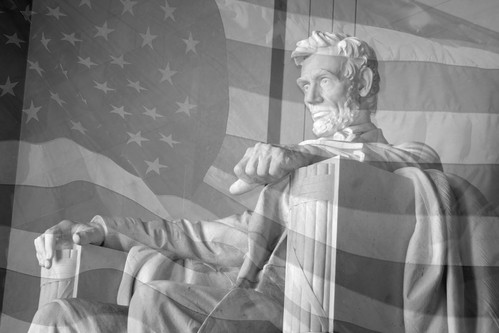
The abolition of slavery was not inevitable. It required the sacrifice of hundreds of thousands of soldiers, the leadership of Abraham Lincoln, the courage of abolitionists, and the moral conviction of Christians who believed slavery violated the biblical truth that all people are created in the image of God.
The same revival movements that transformed America during the Second Great Awakening energized many of the abolitionists who challenged the institution of slavery. Churches, pastors, and ordinary believers played a significant role in shaping the moral conscience that eventually led to emancipation.
That does not mean the Church was without fault. Some Christians defended slavery, and many churches failed to live up to the teachings of Scripture. Yet the biblical principles of human dignity, equality before God, and liberty ultimately provided the foundation for slavery's destruction.
This is one reason I believe Americans should commemorate the ratification of the 13th Amendment. It reminds us not only that slavery ended, but that the nation amended its Constitution to ensure that it would never return.
As we reflect on our history, we should pursue truth rather than symbolism. Juneteenth commemorates the announcement of freedom to enslaved people in Texas. The 13th Amendment commemorates the legal abolition of slavery throughout the United States.
Both events are historically significant. But if the question is, "When did slavery actually end in America?" the answer is not June 19, 1865.
The answer is December 6, 1865.
Each year on June 19, Americans celebrate Juneteenth as the day slavery ended in the United States. While I understand the historical significance of Juneteenth, I do not celebrate it as the end of slavery. In my view, that distinction belongs to the ratification of the 13th Amendment on December 6, 1865.
Juneteenth commemorates an important moment in American history. On June 19, 1865, Union General Gordon Granger arrived in Galveston, Texas, and announced General Order No. 3, informing enslaved people that they were free under the terms of President Abraham Lincoln's Emancipation Proclamation. For thousands of enslaved Texans, it was a day of liberation and rejoicing.
However, it is important to understand what Juneteenth was—and what it was not.
The Emancipation Proclamation, issued on January 1, 1863, did not abolish slavery throughout the United States. It applied only to states in rebellion against the Union. Slavery remained legal in several border states that stayed in the Union. Furthermore, the proclamation depended upon Union military victory for its enforcement. In many places, enslaved people were not freed until Union troops arrived.
Juneteenth marks the delayed enforcement of emancipation in Texas. It does not mark the legal abolition of slavery in the United States.
That distinction belongs to the 13th Amendment.
When the 13th Amendment was ratified on December 6, 1865, it declared: "Neither slavery nor involuntary servitude, except as a punishment for crime whereof the party shall have been duly convicted, shall exist within the United States, or any place subject to their jurisdiction."
For the first time in American history, slavery was abolished everywhere in the nation. No state could preserve it. No court could protect it. No future administration could reverse it. The institution was ended by constitutional authority.
If our goal is to commemorate the end of slavery, then December 6 should receive far greater recognition than June 19.
My concern extends beyond historical accuracy. Juneteenth has increasingly become a vehicle for promoting political narratives that often distort both American history and the role of faith in the abolition of slavery. Too many presentations of Juneteenth focus exclusively on America's sins while neglecting the individuals and movements that fought to end slavery.
The abolition of slavery was not inevitable. It required the sacrifice of hundreds of thousands of soldiers, the leadership of Abraham Lincoln, the courage of abolitionists, and the moral conviction of Christians who believed slavery violated the biblical truth that all people are created in the image of God.
The same revival movements that transformed America during the Second Great Awakening energized many of the abolitionists who challenged the institution of slavery. Churches, pastors, and ordinary believers played a significant role in shaping the moral conscience that eventually led to emancipation.
That does not mean the Church was without fault. Some Christians defended slavery, and many churches failed to live up to the teachings of Scripture. Yet the biblical principles of human dignity, equality before God, and liberty ultimately provided the foundation for slavery's destruction.
This is one reason I believe Americans should commemorate the ratification of the 13th Amendment. It reminds us not only that slavery ended, but that the nation amended its Constitution to ensure that it would never return.
As we reflect on our history, we should pursue truth rather than symbolism. Juneteenth commemorates the announcement of freedom to enslaved people in Texas. The 13th Amendment commemorates the legal abolition of slavery throughout the United States.
Both events are historically significant. But if the question is, "When did slavery actually end in America?" the answer is not June 19, 1865.
The answer is December 6, 1865.

Dr. Eric M. Wallace, author of the new book, The Heart of Apostasy: How The Black Church Abandoned Biblical Authority for Political Ideology--And How to Reclaim It, is a trailblazing scholar, dynamic speaker, and passionate advocate for faith-based conservatism. With a distinguished academic background and an unwavering commitment to biblical truth, Wallace has become a leading voice challenging cultural and political narratives that conflict with a biblical worldview.
Wallace holds postgraduate degrees in biblical studies (M.A., ThM, Ph.D.), Wallace is the first African American to earn a Ph.D. in biblical studies from Union-PSCE (now Union Presbyterian Seminary). His scholarship and ministry experience equip him to address today’s most pressing sociopolitical issues through the lens of faith, reason, and historical accuracy.
Wallace holds postgraduate degrees in biblical studies (M.A., ThM, Ph.D.), Wallace is the first African American to earn a Ph.D. in biblical studies from Union-PSCE (now Union Presbyterian Seminary). His scholarship and ministry experience equip him to address today’s most pressing sociopolitical issues through the lens of faith, reason, and historical accuracy.
Recent
The Big Tent Party: Right? Sure? Whatever?
September 30th, 2026
Maybe we've become too Selfish?
August 20th, 2026
Equal Before God, Unequal in Gifts
August 20th, 2026
Beyond Personality Politics: A Biblical Framework for Evaluating Our Leaders
July 27th, 2026
The NAACP's Moral Crisis: When Civil Rights Abandons Biological Reality
July 8th, 2026
Archive
2026
January
March
THE GEOPOLITICAL CHESSBOARD AND THE SPIRITUAL WAR WE’RE IGNORING--Part 1THE SPIRITUAL DIMENSION AND THE CHURCH’S COMPLICITY--Part 2Racism, Sin, and the Republican Party: A Christian ResponseA Moment of Reflection on the Life of Rev. Jesse Jackson Sr.Black Americans Are Not Hyphenated CitizensWhen “Jesus Never Said That” Becomes a License for ApostasyWhen Scripture Is No Longer First: The Heart of Apostasy in the Black Church and American PoliticsDemocrats Good……Trump Bad
April
When Conviction Becomes Costly: Faith, Culture, and the Silence of the ChurchNo Savior but Christ: When Politics Crosses a Sacred LineWhat Good Is a Worldview If We Are Not Guided by It?When Resurrection Sunday Becomes Interfaith: Why the Church Must Guard the GospelSocialism in the City: When Government Tries to Play GodWords Matter: The Dangerous Illusion Behind “Mass Incarceration”More Degrees, More Debt, Less Direction: Why Illinois Is Looking the Wrong Way on Workforce DevelopmentNow, I suppose, he’s a Hitlerian KingJustice Without Partiality: What the Louisiana Ruling Reveals About America’s Heart
May
June
July
America at 250 and Freedom's Journal at 200: The Unfinished Work of FreedomThomas Jeremiah, America's Founding, and the Importance of Telling the Whole StoryThe NAACP's Moral Crisis: When Civil Rights Abandons Biological RealityBeyond Personality Politics: A Biblical Framework for Evaluating Our Leaders
2025
February
March
July
September
October
November
2024
January
Cartoon 01/01/24Cartoon 01/02/24Claudine Gay Betrayed the American Values of My Black Elders to Exploit White GuiltCartoon 01/03/24Cartoon 01/05/24Cartoon 01/06/24Cartoon 01/07/24Cartoon 01/08/24We need a David, not a SaulCartoon 01/13/24Cartoon 01/09/24Cartoon 01/10/24Cartoon 01/11/24Cartoon 01/14/24Cartoon 01/12/24What Happens to a King Deferred? A ReduxCartoon 01/15/24Cartoon 01/16/24The Good Guys with Guns Part 1Cartoon 01/17/24America Works. DEI Doesn’t.Cartoon 01/18/24Cartoon 01/23/24Good Guys with Guns Part 2Cartoon 01/19/24Cartoon 01/21/24Cartoon 01/22/24Cartoon 01/24/24Cartoon 01/26/24Cartoon 01/25/24Cartoon 01/27/24
No Comments