
A Moment of Reflection on the Life of Rev. Jesse Jackson Sr.
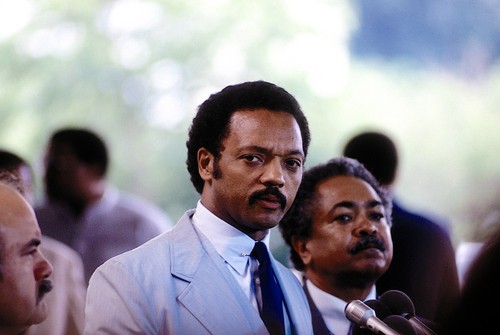
By Eric M. Wallace, PhD
As the nation reflects on the passing of the Rev. Jesse Jackson Sr., it is clear that we are marking the end of a significant chapter in American public life. For decades, Rev. Jackson stood as one of the most recognizable voices emerging from the civil rights movement that reshaped the moral and political landscape of our country.
As a young protégé of Dr. Martin Luther King Jr., Jackson helped carry forward the movement’s call for justice, opportunity, and dignity for Black Americans. In the years that followed, he became a national political figure, a presidential candidate, and an advocate for those he believed were marginalized in American society. His ability to mobilize communities and bring attention to issues affecting Black Americans ensured that his voice would be heard in the highest levels of American political life.
It is understandable that leaders across the country — former presidents, business leaders, clergy, and activists — have gathered to pay tribute to his influence and his place in the nation’s history.
Moments like this invite us not only to reflect on a person’s public legacy, but also to reflect on the deeper spiritual questions that shape the life of the Church.
Like many Christians, I did not always agree with Rev. Jackson’s political vision. I also differed with aspects of the theological framework that often accompanied the political activism of the civil rights movement’s later generations. Over time, many leaders in the Black Church began to blend the language of the Gospel with political ideology in ways that created serious tension with historic biblical teaching.
Those concerns are not new. The Apostle Paul warned the early Church about the danger of allowing the message of Christ to be reshaped by competing ideas or cultural pressures. Writing to the Corinthians, Paul cautioned believers about those who might proclaim “another Jesus” or a different gospel than the one handed down by the apostles (2 Corinthians 11:4, ESV).
Every generation of Christians must wrestle with that warning. The Church must always ask whether its message is being shaped more by Scripture or by the political and cultural movements of the day.
Yet acknowledging those tensions does not require us to ignore the historical moment in which Rev. Jackson lived or the role he played in the public life of this nation. The civil rights movement emerged from real injustices that demanded moral courage and public witness. Many pastors and churches stood on the front lines of that struggle, believing they were living out the biblical call to pursue justice and defend human dignity.
Rev. Jackson was one of the most visible heirs of that tradition.
At the same time, the Church must continually return to its primary mission: proclaiming the Gospel of Jesus Christ and forming disciples who live under the authority of God’s Word. Political influence may come and go, but the Church’s calling remains unchanged.
Scripture reminds us that every human being bears the image of God (Genesis 1:27), and that in Christ people from every tribe, nation, and language are brought together as one family (Galatians 3:28; Revelation 7:9). Racism, tribalism, and hatred have no place in the kingdom of God.
But neither should the Church allow the Gospel itself to be reduced to political activism or social ideology. The power of Christianity has never been rooted in political movements, but in the transforming work of Christ in the human heart.
That truth is especially important in a moment when the nation is once again wrestling with questions of race, identity, and justice.
The passing of Rev. Jesse Jackson Sr. reminds us that history is carried forward by flawed human beings — leaders who accomplish much, but who also leave behind complicated legacies. Christians should be able to acknowledge both realities with humility.
Ultimately, our hope does not rest in the legacy of any public figure. It rests in the person of Jesus Christ, who alone reconciles sinners to God and breaks down the dividing walls that separate people from one another (Ephesians 2:14–16).
As the nation remembers Rev. Jackson, perhaps the most meaningful tribute the Church can offer is not merely praise for the past, but renewed faithfulness to the Gospel that transcends every political movement and every generation.
In the end, that Gospel remains the only power capable of healing both the wounds of our history and the divisions of our present.
As the nation reflects on the passing of the Rev. Jesse Jackson Sr., it is clear that we are marking the end of a significant chapter in American public life. For decades, Rev. Jackson stood as one of the most recognizable voices emerging from the civil rights movement that reshaped the moral and political landscape of our country.
As a young protégé of Dr. Martin Luther King Jr., Jackson helped carry forward the movement’s call for justice, opportunity, and dignity for Black Americans. In the years that followed, he became a national political figure, a presidential candidate, and an advocate for those he believed were marginalized in American society. His ability to mobilize communities and bring attention to issues affecting Black Americans ensured that his voice would be heard in the highest levels of American political life.
It is understandable that leaders across the country — former presidents, business leaders, clergy, and activists — have gathered to pay tribute to his influence and his place in the nation’s history.
Moments like this invite us not only to reflect on a person’s public legacy, but also to reflect on the deeper spiritual questions that shape the life of the Church.
Like many Christians, I did not always agree with Rev. Jackson’s political vision. I also differed with aspects of the theological framework that often accompanied the political activism of the civil rights movement’s later generations. Over time, many leaders in the Black Church began to blend the language of the Gospel with political ideology in ways that created serious tension with historic biblical teaching.
Those concerns are not new. The Apostle Paul warned the early Church about the danger of allowing the message of Christ to be reshaped by competing ideas or cultural pressures. Writing to the Corinthians, Paul cautioned believers about those who might proclaim “another Jesus” or a different gospel than the one handed down by the apostles (2 Corinthians 11:4, ESV).
Every generation of Christians must wrestle with that warning. The Church must always ask whether its message is being shaped more by Scripture or by the political and cultural movements of the day.
Yet acknowledging those tensions does not require us to ignore the historical moment in which Rev. Jackson lived or the role he played in the public life of this nation. The civil rights movement emerged from real injustices that demanded moral courage and public witness. Many pastors and churches stood on the front lines of that struggle, believing they were living out the biblical call to pursue justice and defend human dignity.
Rev. Jackson was one of the most visible heirs of that tradition.
At the same time, the Church must continually return to its primary mission: proclaiming the Gospel of Jesus Christ and forming disciples who live under the authority of God’s Word. Political influence may come and go, but the Church’s calling remains unchanged.
Scripture reminds us that every human being bears the image of God (Genesis 1:27), and that in Christ people from every tribe, nation, and language are brought together as one family (Galatians 3:28; Revelation 7:9). Racism, tribalism, and hatred have no place in the kingdom of God.
But neither should the Church allow the Gospel itself to be reduced to political activism or social ideology. The power of Christianity has never been rooted in political movements, but in the transforming work of Christ in the human heart.
That truth is especially important in a moment when the nation is once again wrestling with questions of race, identity, and justice.
The passing of Rev. Jesse Jackson Sr. reminds us that history is carried forward by flawed human beings — leaders who accomplish much, but who also leave behind complicated legacies. Christians should be able to acknowledge both realities with humility.
Ultimately, our hope does not rest in the legacy of any public figure. It rests in the person of Jesus Christ, who alone reconciles sinners to God and breaks down the dividing walls that separate people from one another (Ephesians 2:14–16).
As the nation remembers Rev. Jackson, perhaps the most meaningful tribute the Church can offer is not merely praise for the past, but renewed faithfulness to the Gospel that transcends every political movement and every generation.
In the end, that Gospel remains the only power capable of healing both the wounds of our history and the divisions of our present.

Dr. Eric M. Wallace, author of the new book, The Heart of Apostasy: How The Black Church Abandoned Biblical Authority for Political Ideology--And How to Reclaim It, is a trailblazing scholar, dynamic speaker, and passionate advocate for faith-based conservatism. With a distinguished academic background and an unwavering commitment to biblical truth, Wallace has become a leading voice challenging cultural and political narratives that conflict with a biblical worldview.
Wallace holds postgraduate degrees in biblical studies (M.A., ThM, Ph.D.), Wallace is the first African American to earn a Ph.D. in biblical studies from Union-PSCE (now Union Presbyterian Seminary). His scholarship and ministry experience equip him to address today’s most pressing sociopolitical issues through the lens of faith, reason, and historical accuracy.
Wallace holds postgraduate degrees in biblical studies (M.A., ThM, Ph.D.), Wallace is the first African American to earn a Ph.D. in biblical studies from Union-PSCE (now Union Presbyterian Seminary). His scholarship and ministry experience equip him to address today’s most pressing sociopolitical issues through the lens of faith, reason, and historical accuracy.
Recent
A Moment of Reflection on the Life of Rev. Jesse Jackson Sr.
March 7th, 2026
Racism, Sin, and the Republican Party: A Christian Response
March 6th, 2026
THE SPIRITUAL DIMENSION AND THE CHURCH’S COMPLICITY--Part 2
March 5th, 2026
THE GEOPOLITICAL CHESSBOARD AND THE SPIRITUAL WAR WE’RE IGNORING--Part 1
March 2nd, 2026
The Heart of the Matter Is the Matter of the Heart
February 14th, 2026
Archive
2026
January
2025
February
March
July
September
October
November
2024
January
Cartoon 01/01/24Cartoon 01/02/24Claudine Gay Betrayed the American Values of My Black Elders to Exploit White GuiltCartoon 01/03/24Cartoon 01/05/24Cartoon 01/06/24Cartoon 01/07/24Cartoon 01/08/24We need a David, not a SaulCartoon 01/13/24Cartoon 01/09/24Cartoon 01/10/24Cartoon 01/11/24Cartoon 01/14/24Cartoon 01/12/24What Happens to a King Deferred? A ReduxCartoon 01/15/24Cartoon 01/16/24The Good Guys with Guns Part 1Cartoon 01/17/24America Works. DEI Doesn’t.Cartoon 01/18/24Cartoon 01/23/24Good Guys with Guns Part 2Cartoon 01/19/24Cartoon 01/21/24Cartoon 01/22/24Cartoon 01/24/24Cartoon 01/26/24Cartoon 01/25/24Cartoon 01/27/24
February
Cartoon 02/04/24Cartoon 02/03/24Cartoon 02/02/24Cartoon 02/01/24Cartoon 01/31/24Cartoon 01/28/24Cartoon 01/29/24We’ve Been Gay(ed) Part 1Cartoon 02/05/24Cartoon 02/06/24Cartoon 02/07/24Cartoon 02/08/24Cartoon 02/13/24Cartoon 02/12/24Cartoon 02/09/24Cartoon 02/11/24Cartoon 02/10/24Cartoon 02/19/24'Black America at Crossroads’ of Culture Wars as Presidential Election LoomsWe’ve Been Gay(ed) Part 2Cartoon 02/18/24Cartoon 02/17/24Cartoon 02/16/24Cartoon 02/15/24Cartoon 02/14/24Cartoon 02/22/24Cartoon 02/21/24Cartoon 02/20/24America Needs a “Black Wives Matter” Movement To Rebuild the Black FamilyCartoon 02/23/24Cartoon 02/24/24Cartoon 02/25/24Cartoon 02/26/24Cartoon 02/27/24
March
No Comments